
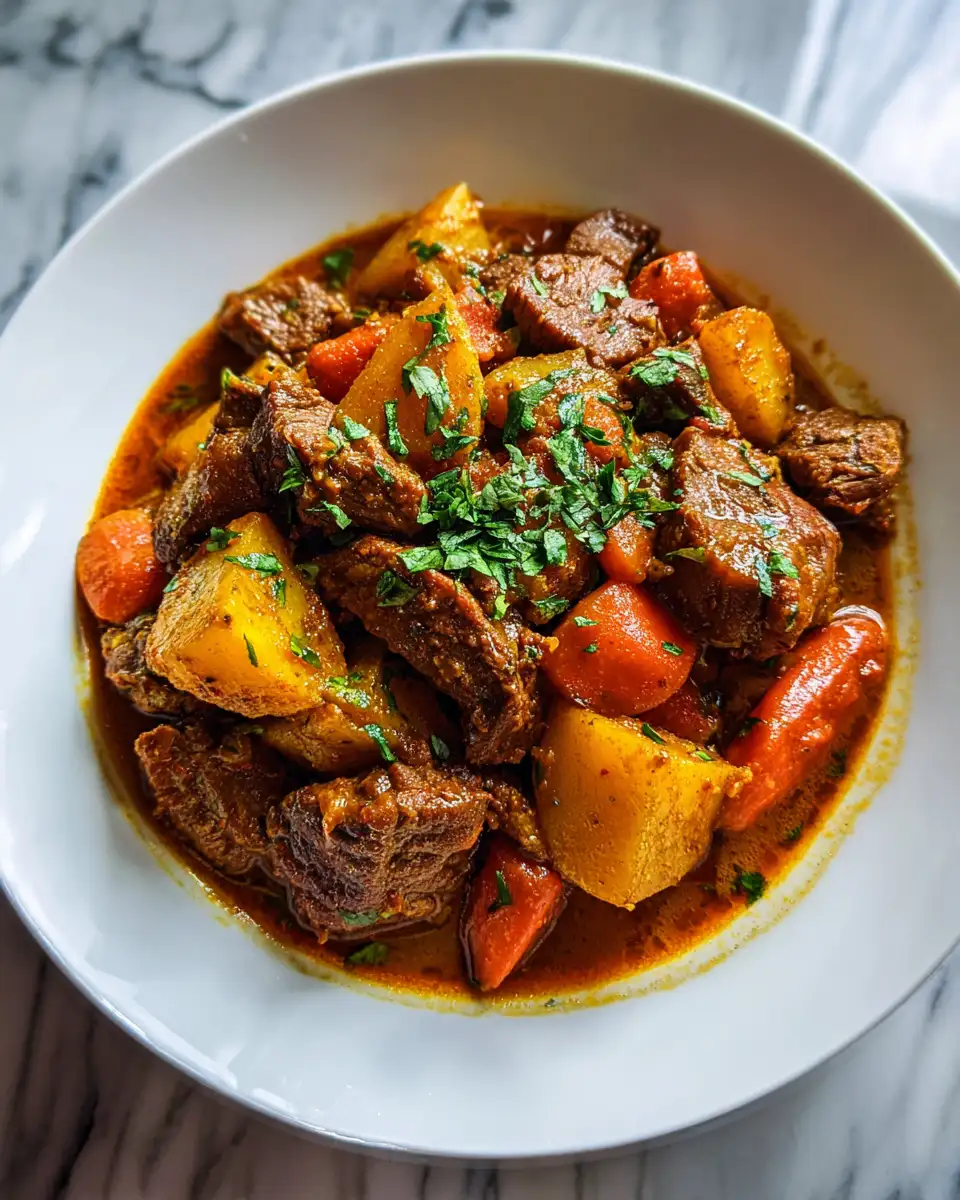
As I sit here, enveloped by the comforting aromas wafting through my kitchen, I am reminded of the way food has always served as a universal language, connecting us to different cultures and experiences. Today, I’m thrilled to share a recipe that combines my love for hearty, comforting meals with a unique twist: Nigerian Beef Stew. Growing up in Asheville, North Carolina, in a Mexican-American household, our dinners were always a lively affair, full of laughter, stories, and vibrant flavors. This dish reflects that same spirit—a warm, richly spiced stew that invites you to gather around the table and savor each moment. Let’s dive into the heart of this delicious and culturally rich stew.
Why You’ll Love This Nigerian Beef Stew
Nigerian Beef Stew is a dish that speaks to the soul, much like the meals my abuela used to make. It’s a stew that’s as comforting as a worn-in sweater on a crisp Asheville night. With its robust flavors and tender beef, it warms you from the inside out. What I adore about this stew is its adaptability; just like the eclectic mix of Southern charm and Mexican flair I grew up with, this stew brilliantly blends ingredients and spices to create something truly special. Whether you’re hosting a dinner party or simply enjoying a cozy night in, this stew is sure to become a staple in your culinary repertoire.
Ingredients You’ll Need for This Nigerian Beef Stew
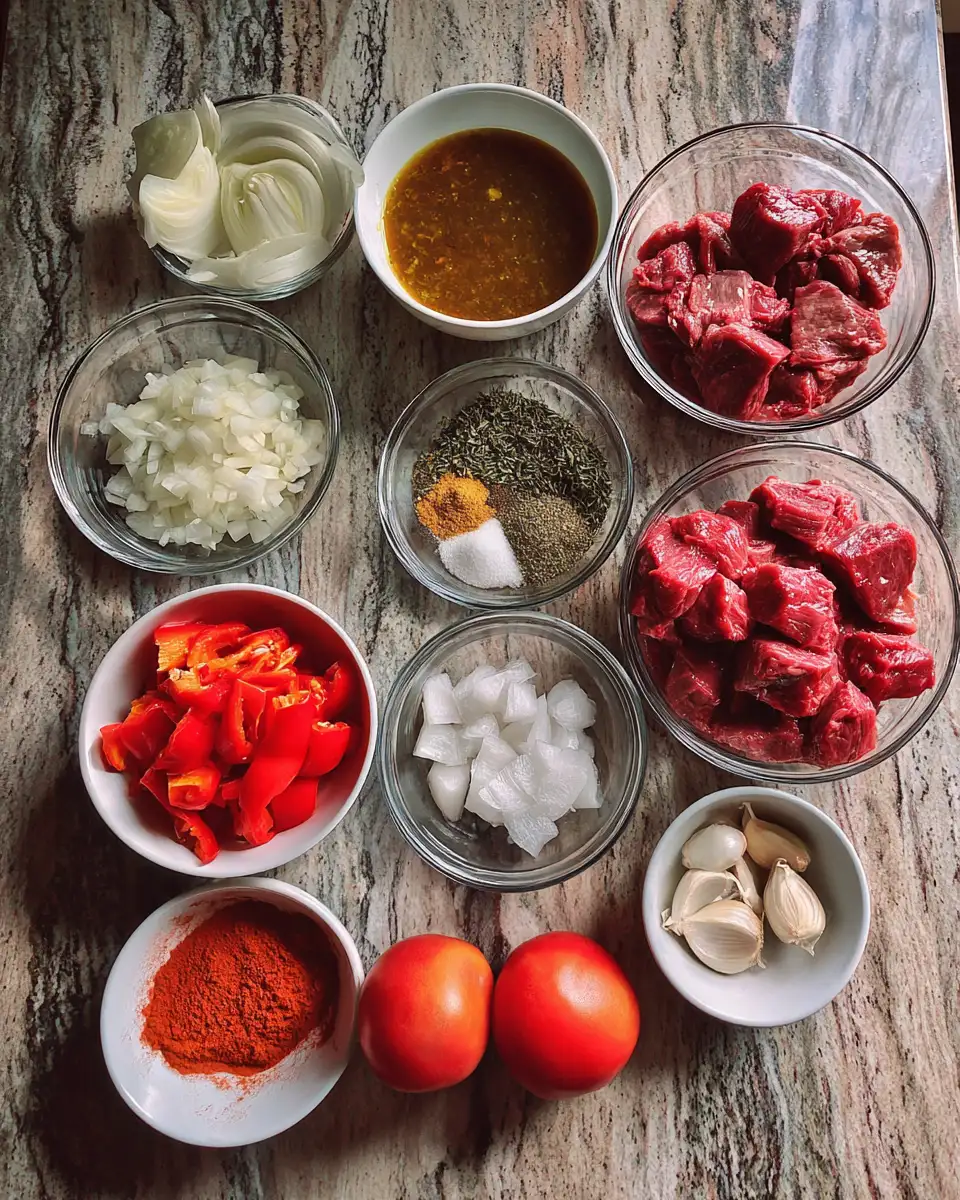
- 2 pounds beef chuck, cut into 1-inch cubes
- 3 tablespoons vegetable oil
- 1 large onion, chopped
- 3 cloves garlic, minced
- 2 red bell peppers, chopped
- 2 Scotch bonnet peppers, finely chopped (for less heat, use one or omit)
- 3 large tomatoes, pureed
- 2 tablespoons tomato paste
- 2 teaspoons paprika
- 1 teaspoon thyme
- 2 cups beef broth
- Salt and pepper to taste
- 1 cup water
- 2 bay leaves
- Optional: 1 tablespoon ground crayfish for an authentic touch
Feel free to swap out the beef for chicken if that’s more your speed, or throw in some extra vegetables like carrots or potatoes for added heartiness. This stew is all about making it your own!
Nutrition Facts
- Calories: 430 per serving
- Protein: 35g
- Fat: 25g
- Carbohydrates: 15g
- Fiber: 4g
- Sugar: 6g
- Sodium: 540mg
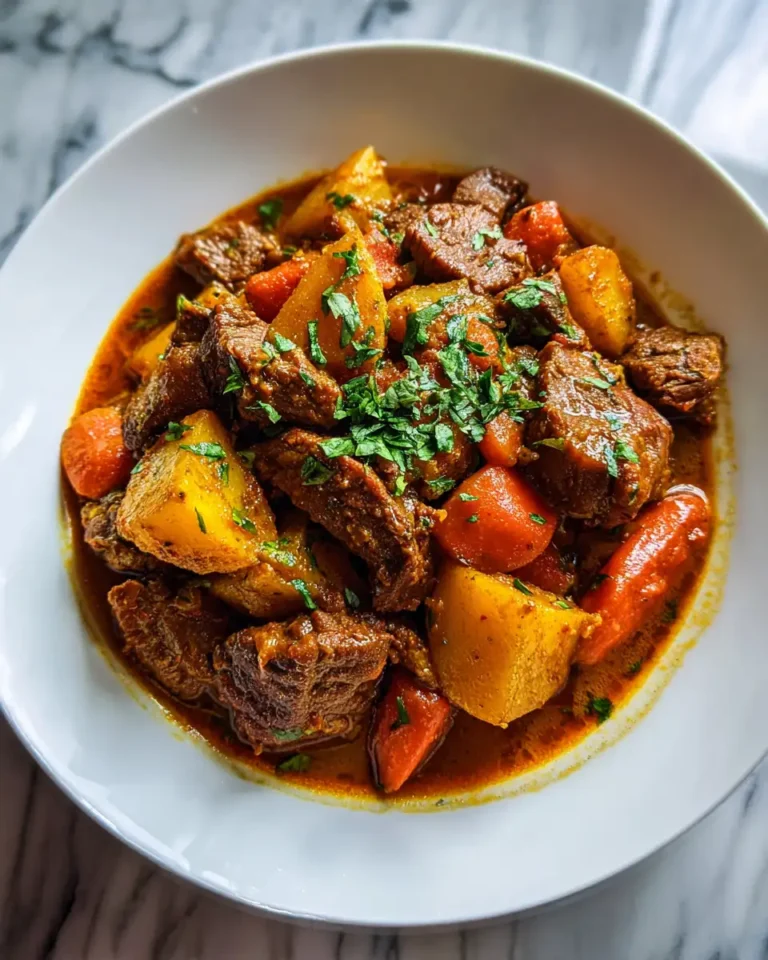
Savor the Spice: Unlock the Rich Flavors of Nigerian Beef Stew
Learn how to make delicious Nigerian Beef Stew. Easy recipe with step-by-step instructions.
- Total Time: 45 minutes
- Yield: 4 servings
Ingredients
- 2 pounds beef chuck, cut into 1-inch cubes
- 3 tablespoons vegetable oil
- 1 large onion, chopped
- 3 cloves garlic, minced
- 2 red bell peppers, chopped
- 2 Scotch bonnet peppers, finely chopped (for less heat, use one or omit)
- 3 large tomatoes, pureed
- 2 tablespoons tomato paste
- 2 teaspoons paprika
- 1 teaspoon thyme
- 2 cups beef broth
- Salt and pepper to taste
- 1 cup water
- 2 bay leaves
- Optional: 1 tablespoon ground crayfish for an authentic touch
Feel free to swap out the beef for chicken if that’s more your speed, or throw in some extra vegetables like carrots or potatoes for added heartiness. This stew is all about making it your own!
Instructions
- Start by heating the vegetable oil in a large pot over medium-high heat. Add the beef cubes in batches, searing them until browned on all sides, about 5 minutes per batch. Remove the beef and set aside.
- In the same pot, add the chopped onion and sauté until translucent, about 3 minutes. Stir in the garlic, red bell peppers, and Scotch bonnet peppers, cooking for another 2 minutes until fragrant.
- Pour the pureed tomatoes into the pot, along with the tomato paste, paprika, and thyme. Stir everything together, allowing the mixture to simmer for 5 minutes.
- Return the beef to the pot, along with any accumulated juices, and add the beef broth, water, bay leaves, and optional ground crayfish. Season with salt and pepper.
- Bring the stew to a boil, then reduce the heat to low, cover, and let it simmer for 1.5 to 2 hours, or until the beef is tender and the flavors have melded beautifully.
- Adjust seasoning to taste and remove the bay leaves before serving.
- Prep Time: 15 minutes
- Cook Time: 30 minutes
- Category: Main Dish
- Method: Cooking
- Cuisine: International
Steps to Create Your Nigerian Beef Stew
- Start by heating the vegetable oil in a large pot over medium-high heat. Add the beef cubes in batches, searing them until browned on all sides, about 5 minutes per batch. Remove the beef and set aside.
- In the same pot, add the chopped onion and sauté until translucent, about 3 minutes. Stir in the garlic, red bell peppers, and Scotch bonnet peppers, cooking for another 2 minutes until fragrant.
- Pour the pureed tomatoes into the pot, along with the tomato paste, paprika, and thyme. Stir everything together, allowing the mixture to simmer for 5 minutes.
- Return the beef to the pot, along with any accumulated juices, and add the beef broth, water, bay leaves, and optional ground crayfish. Season with salt and pepper.
- Bring the stew to a boil, then reduce the heat to low, cover, and let it simmer for 1.5 to 2 hours, or until the beef is tender and the flavors have melded beautifully.
- Adjust seasoning to taste and remove the bay leaves before serving.
Tips for Making the Best Nigerian Beef Stew
From my years in the kitchen, I’ve learned that a great stew is all about patience and love. Letting the stew simmer slowly allows the beef to become meltingly tender and the spices to deepen. Don’t rush this part—it’s where the magic happens. Also, if you’re anything like me and love a bit of heat, those Scotch bonnet peppers will do the trick. But feel free to adjust to your heat tolerance. Lastly, my abuela always taught me to taste as I go. This ensures you get the seasoning just right and allows you to adjust according to your preference.
Serving Suggestions and Pairings
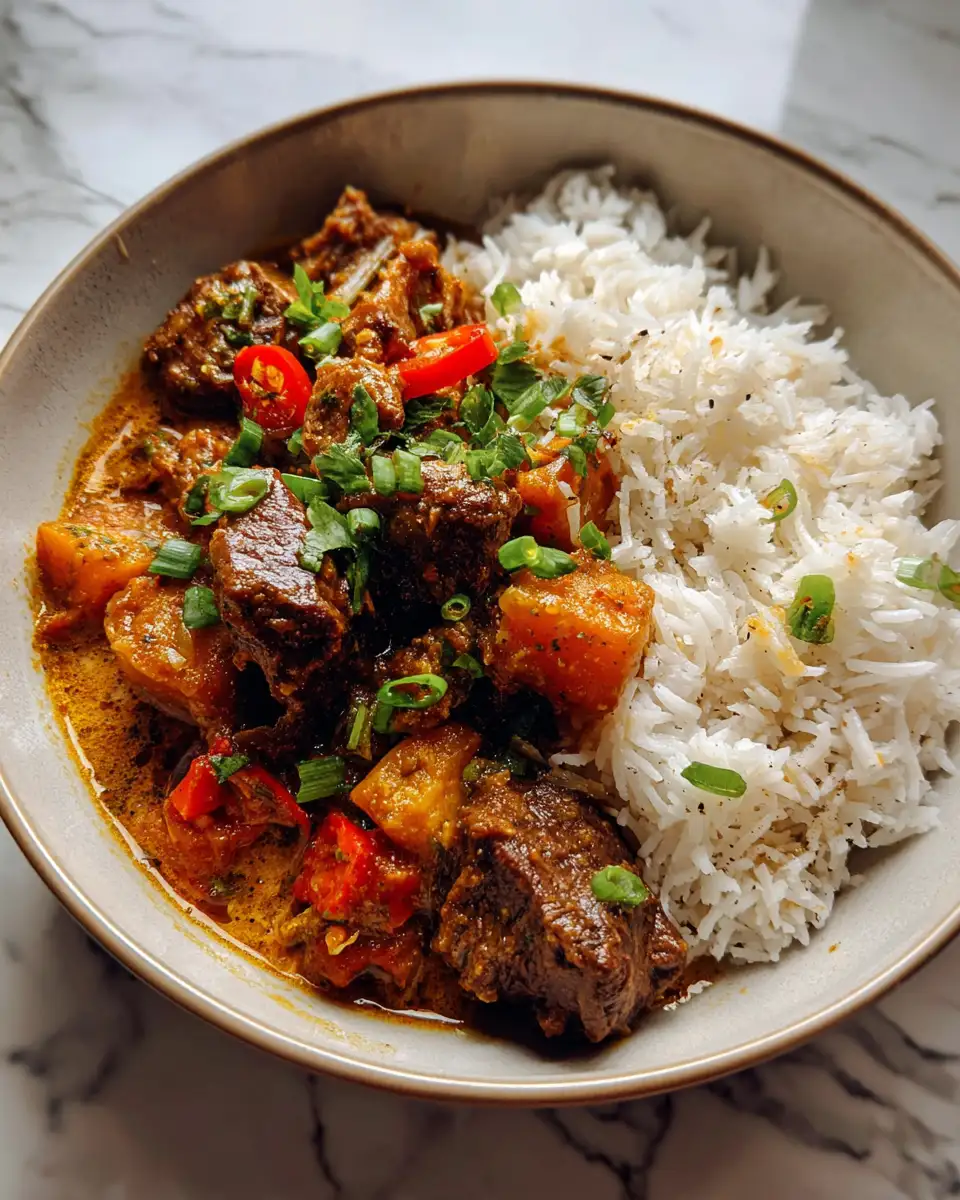
This hearty Nigerian Beef Stew pairs beautifully with rice, much like the stews we often paired with arroz in my family. It’s equally delightful with warm, crusty bread to soak up the rich sauce. For a complete meal, serve it alongside a fresh salad or sautéed greens. If you’re hosting a gathering, consider pairing it with a light, fruity red wine to complement the stew’s deep, savory flavors.
Storage and Reheating Tips
One of the joys of stew is its ability to taste even better the next day. Store any leftovers in an airtight container in the refrigerator for up to 4 days. To reheat, gently warm it on the stove over low heat, adding a splash of water or broth if it thickens too much. You can also freeze the stew for up to 3 months—just be sure to thaw it in the refrigerator before reheating.
Frequently Asked Questions
What are the main ingredients for Nigerian Beef Stew?
The main ingredients for Nigerian Beef Stew include the items listed in our ingredients section above. Each ingredient plays a crucial role in achieving the perfect flavor and texture.
How long does it take to make Nigerian Beef Stew?
The total time to make Nigerian Beef Stew includes both preparation and cooking time. Check the recipe card above for exact timing details.
Can I make Nigerian Beef Stew ahead of time?
Yes, Nigerian Beef Stew can often be prepared in advance. Store it properly in an airtight container in the refrigerator and consume within the recommended timeframe.
What can I serve with Nigerian Beef Stew?
Nigerian Beef Stew pairs well with various sides and accompaniments. Consider the serving suggestions mentioned in the recipe for the best dining experience.
Is Nigerian Beef Stew suitable for special diets?
Depending on the ingredients used, Nigerian Beef Stew may be adapted for various dietary needs. Check the ingredients list and consider substitutions as needed for your dietary requirements.
Final Thoughts
In crafting this Nigerian Beef Stew, I hope to bring a piece of my own culinary journey to your kitchen, much like the flavors and stories that filled my childhood home in Asheville. This stew isn’t just a meal; it’s an invitation to explore, to savor, and to share. Whether it becomes a new family favorite or a comforting personal indulgence, I hope it brings you as much joy as it has brought me. Here’s to many delicious adventures ahead, all starting with a humble pot of stew.